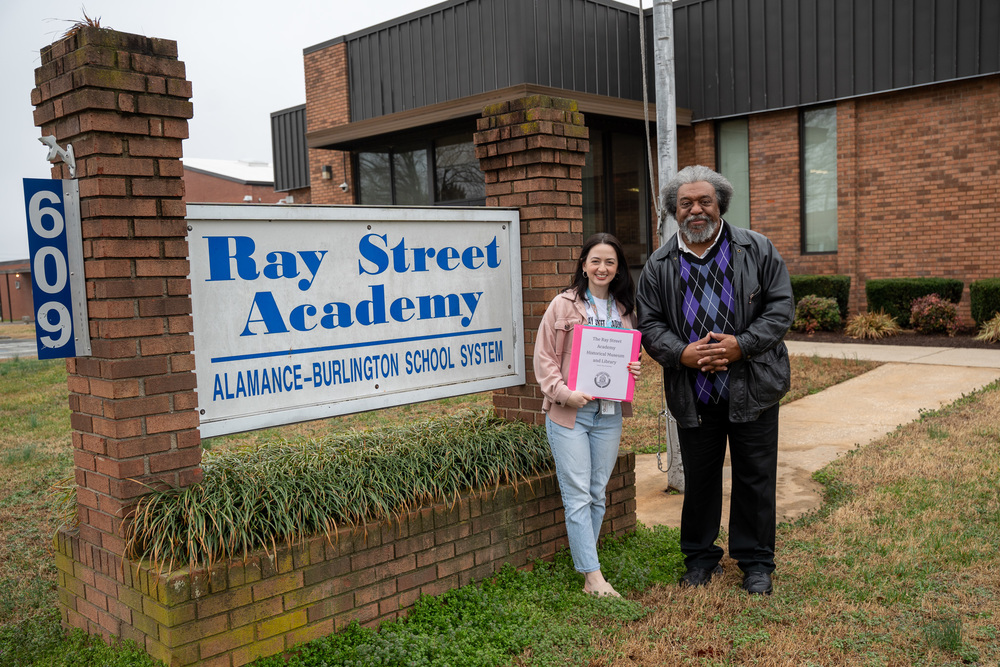
Walk the halls of Ray Street Academy in Graham, and you are walking through history. The walls have stood since the early 1930s, and they have a story to tell — one of resilience, community, pride, and the unwavering belief that education is the foundation of a better future. Those stories are finally getting the home they deserve.
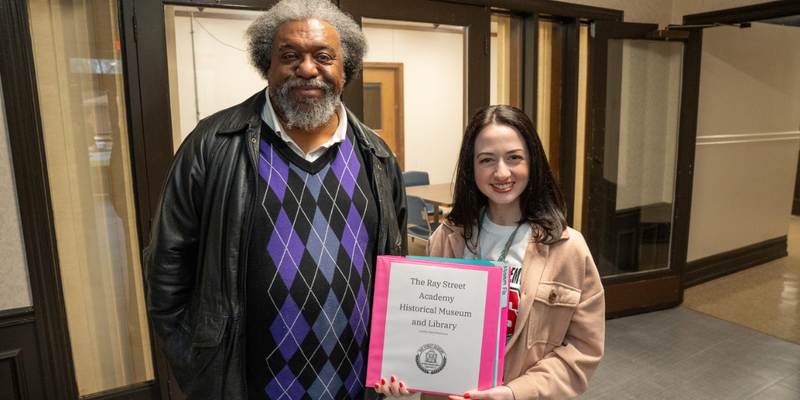
The Ray Street Academy Historical Museum and Library is officially in the making.
A Building with Deep Roots
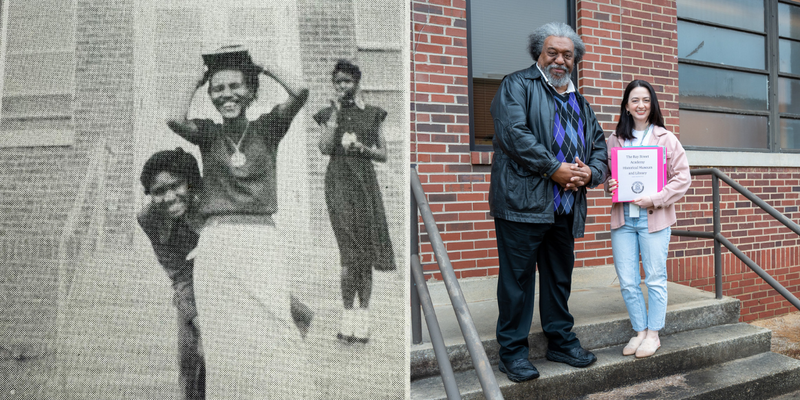
Before it was Ray Street Academy, this building served as Graham High School — the educational home for Black students in Graham during the era of segregation. From the early 1930s until 1961, generations of students arrived here each morning, carrying notebooks and ambitions, supported by teachers who poured themselves into their students' futures.
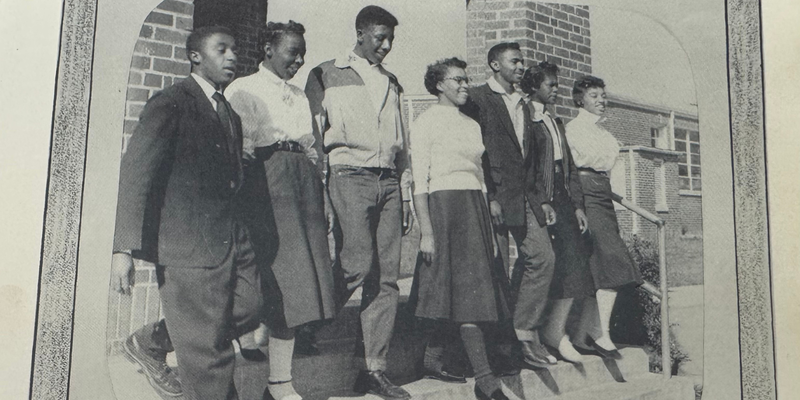
Segregation defined the era, but it did not define what happened inside these walls. This was a place of excellence, pride, and possibility. They formed friendships and social bonds that would last lifetimes. They developed leadership skills. They were shaped and encouraged by trusted teachers who believed in them. When they walked across that stage at graduation, they were ready to meet the world. They did just that: graduates of Graham High School went on to become preachers, doctors, government officials, and pillars of the communities around them. Their legacy became the foundation for generations that followed.
Integration reshaped the district in 1961, and the building took on new purposes over the decades. But the alumni community never forgot. To this day, former students of Graham High School gather to share memories of this place — proof that the story of these walls is still very much alive.
One Teacher's Curiosity Changed Everything
It started with a staircase.
Mary Moorhouse, a High School Studies teacher at Ray Street Academy, noticed the old exterior stairs on the building going up into what appeared to be a bricked-over entrance. Most people walked past it every day without a second thought. But Ms. Moorhouse stopped, looked, and asked: what's the history here?
That question set her on a path that would lead to a grant application, a community partnership, and the beginning of something truly meaningful. As she put it: "I work in this building every day. We have to do something to show this history. I'm excited to work with the people who actually attended the school. They'll be able to tell us the stories that matter."
Ms. Moorhouse channeled that curiosity into action, writing a compelling grant proposal that earned Ray Street Academy an $11,304 Impact Alamance grant — the funding that is now making this museum a reality. We are grateful for her vision, dedication, and the countless hours she put into bringing this project to life. We also extend our sincere thanks to Impact Alamance for investing in this work and for recognizing the power of preserving community history. Their support is making it possible for these stories to be honored for generations to come.
Achievement Through Community
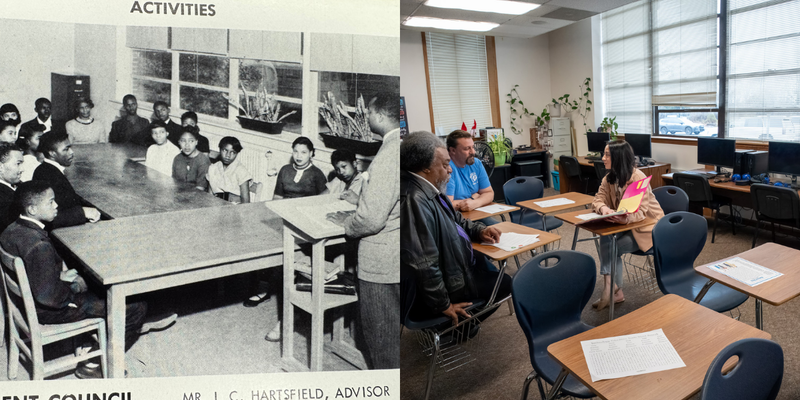
The museum's guiding theme — achievement through community — says it all. Graham High School's story was never just about individual success. It was about what people could accomplish when they believed in each other: students cheering each other on, families showing up, teachers going above and beyond, and a community taking pride in its school.
The Ray Street Academy Historical Museum and Library will be built on both archival research and oral history — meaning the people who lived these experiences will have a direct voice in how the story is told. The project is currently in its research phase, which is where the real detective work happens: uncovering photographs, documents, and artifacts that have been tucked away in attics and albums for decades, and sitting down with alumni to capture the memories that no document could ever fully record.
Although this was a time of segregation, the community that formed around Graham High School was defined by pride — pride in each other, in the school, and in what they were building together. That spirit is what the museum will celebrate.
A Meaningful Partnership
Ray Street Academy is not doing this alone. The project is being developed in collaboration with the African-American Cultural Arts & History Center (AACAHC), a Burlington-based nonprofit organization whose entire mission is to educate, document, and preserve Alamance County's African-American history.
James Shields, manager and curator of the AACAHC, has been an enthusiastic partner in this work. "I think the history is important to the community," Shields said. "Effort is being put in to document this when it was a high school. People coming into the African-American Cultural Museum have fond memories. We are pleased to be involved with this project."
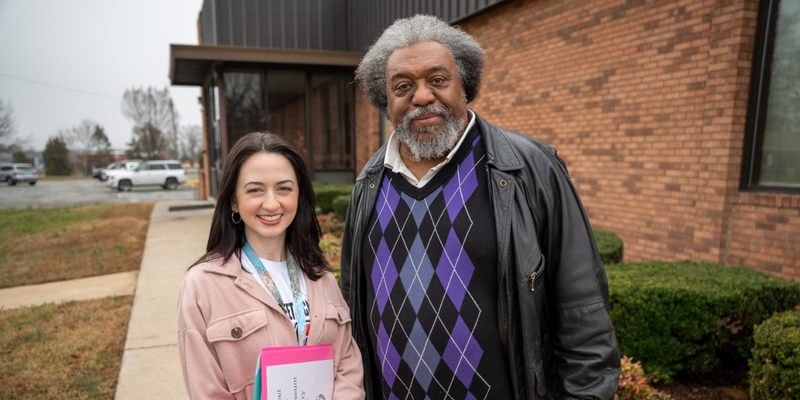
The AACAHC is already a treasure in our community. Located at 2381 Corporation Parkway in Burlington, the center actively collects and preserves Alamance County's African-American history in cultural, architectural, artistic, familial, and generational forms. Among its holdings are yearbooks that date back to the 1950s — the kind of primary sources that make history tangible and personal. Visitors often arrive intending to spend an hour and end up staying for much longer, drawn in by the photographs, documents, and stories that line the walls.
The center is open Tuesday through Saturday, 10 a.m. to 5 p.m., and anyone interested in learning more about African-American history in our county is warmly encouraged to visit.
Coming to Our Schools and Community
When complete, the museum will be accessible to ABSS employees, offering staff an opportunity to connect with the remarkable history that shapes the school system they serve. Since the building is an active school, plans are also underway to develop a mobile version of the museum — one that can travel out into the broader community.
The launch of the Ray Street Academy Historical Museum and Library is a reminder that honoring history is not a passive act. It takes curiosity, like the curiosity that led a teacher to look twice at an old staircase. It takes dedication, like the dedication Ms. Moorhouse put into writing a winning grant proposal. It takes community, the same kind of community that made Graham High School great in the first place.
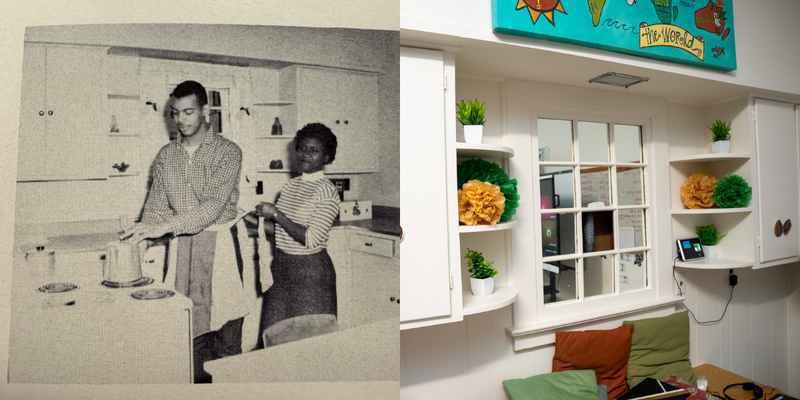
We look forward to sharing more updates as this exciting project progresses. The stories of the students, teachers, and families who made Graham High School what it was will not be forgotten — they will be celebrated, preserved, and passed on.
To learn more about African-American history in Alamance County, visit the African-American Cultural Arts & History Center at 2381 Corporation Pkwy, Burlington, or online at aacahcenter.org. Hours: Tuesday–Saturday, 10 a.m.–5 p.m. | Phone: 336-343-2193